When it comes to attic insulation, understanding R-values is essential for making informed decisions about energy efficiency and comfort in your home. The R-value measures the thermal resistance of insulation materials, indicating how well they can resist heat flow. A higher R-value signifies better insulating properties, which can lead to significant energy savings and improved indoor climate control. In the context of attic insulation, two common R-values that homeowners often encounter are R30 and R60.R30 insulation is typically recommended for moderate climates, providing a balance between cost and performance.
It offers adequate thermal resistance for many homes, helping to keep heating and cooling costs manageable. On the other hand, R60 insulation is designed for colder climates or homes that require superior energy efficiency. This higher R-value not only enhances thermal performance but also contributes to a more comfortable living environment by minimizing temperature fluctuations.As we delve deeper into the comparison between R30 and R60, it’s crucial to recognize the various types of insulation available, such as fiberglass, foam board, and spray foam. Each type has its own unique properties and applications, which can influence the overall effectiveness of your attic insulation.
By understanding these differences and the significance of R-values, you will be better equipped to choose the right insulation solution for your specific needs.In this comprehensive comparison, we will explore the advantages and disadvantages of both R30 and R60 attic insulation. By examining factors such as cost, energy efficiency, and installation methods, you will gain valuable insights that will help you make an informed decision about which option is best suited for your home.
What is R-Value and Why Does it Matter?
Understanding R-value is essential when selecting the right attic insulation for your home. R-value is a measure of thermal resistance, indicating how well a material can resist heat flow. The higher the R-value, the better the insulation's effectiveness in preventing heat transfer, which is crucial for maintaining a comfortable indoor environment.R-value is determined by several factors, including the type of insulation material, its thickness, and density.For instance, fiberglass insulation typically has an R-value ranging from 2.9 to 4.3 per inch of thickness, while foam board insulation can achieve R-values as high as 6.5 per inch. This variance highlights the importance of not only choosing the right material but also ensuring it is installed correctly to maximize its insulating properties.Why does R-value matter? The significance of R-value extends beyond mere numbers; it directly impacts your home's energy efficiency and utility costs. Proper insulation with a high R-value can lead to:
- Reduced Energy Bills: Effective insulation minimizes the need for heating and cooling systems to work overtime, leading to lower energy consumption and reduced monthly bills.
- Enhanced Comfort: A well-insulated attic helps maintain consistent indoor temperatures, preventing drafts and cold spots that can make living spaces uncomfortable.
- Environmental Benefits: By reducing energy usage, high R-value insulation contributes to lower greenhouse gas emissions, making it an environmentally friendly choice.
By selecting materials with higher R-values and ensuring proper installation, homeowners can significantly enhance their home's energy efficiency, comfort, and sustainability.
Comparing R60 and R30 Insulation: Key Differences
When it comes to attic insulation, understanding the differences between R60 and R30 is crucial for homeowners looking to optimize their energy efficiency and comfort. Both R-values represent the thermal resistance of insulation materials, but they serve different purposes and are suitable for varying climates.Thermal Resistance
The primary distinction between R60 and R30 insulation lies in their thermal resistance capabilities. R60 insulation offers a significantly higher level of thermal resistance compared to R30. This means that R60 is more effective at preventing heat transfer, keeping your home warmer in winter and cooler in summer.
For instance, in colder climates where maintaining heat is essential, R60 insulation can drastically reduce heating costs by minimizing heat loss.
Energy Efficiency
In terms of energy efficiency, R60 insulation can lead to substantial savings on energy bills over time. Homes insulated with R60 can experience lower heating and cooling demands, which translates to reduced energy consumption. On the other hand, while R30 insulation is adequate for moderate climates, it may not provide the same level of energy savings as R60 in extreme weather conditions.
Suitability for Different Climates
The choice between R60 and R30 also depends on your geographical location. In regions with harsh winters or extremely hot summers, investing in R60 insulation is advisable to ensure optimal comfort and efficiency.
Conversely, if you live in a milder climate where extreme temperature fluctuations are rare, R30 may suffice.
Installation Considerations
Another factor to consider is the installation process. R60 insulation typically requires more space than R30 due to its greater thickness. This can be a critical consideration for attics with limited headroom or structural constraints. Homeowners should assess their attic space before making a decision.In summary, while both R60 and R30 have their merits, the choice ultimately hinges on your specific needs regarding thermal performance, energy efficiency, and climate suitability.
By carefully evaluating these factors, you can make an informed decision that enhances your home's comfort and reduces energy costs.
Cost Analysis: Is Higher R-Value Worth the Investment?
When considering attic insulation, one of the most significant factors to evaluate is the cost associated with different R-values, particularly R30 and R60. Understanding the financial implications of these choices can help homeowners make informed decisions that align with their budget and energy efficiency goals.Initial Costs of R30 vs. R60 Insulation
- The cost of R30 insulation typically ranges from $0.50 to $1.50 per square foot, depending on the material used and installation complexity.
- In contrast, R60 insulation can cost between $1.00 and $2.50 per square foot, reflecting its higher thermal resistance and the materials required to achieve this level of insulation.
Long-Term Savings and Energy Efficiency
Investing in higher R-value insulation like R60 can lead to substantial energy savings over time. Here’s how:
- Energy Bills: Homes insulated with R60 can see a reduction in heating and cooling costs by up to 20% compared to those with R30 insulation.
This translates into significant savings, especially in regions with extreme temperatures.
- Return on Investment (ROI): Although the initial cost is higher for R60, the ROI can be realized within a few years through lower energy bills. Homeowners may find that the extra investment pays off in as little as 5-10 years, depending on local energy rates and climate conditions.
Evaluating Your Investment Value
When deciding between R30 and R60 insulation, consider not only the initial costs but also your long-term plans for your home:
- If you plan to stay in your home for many years, investing in R60 may provide better value through energy savings and increased comfort.
- If you are considering selling your home soon, R30 might suffice, but keep in mind that homes with superior insulation often attract buyers looking for energy-efficient features.
Installation Considerations for R60 and R30 Insulation
When considering the installation of R60 or R30 attic insulation, several factors come into play that can significantly impact the effectiveness and efficiency of the insulation. Understanding the installation process, whether to tackle it as a DIY project or hire professionals, and following best practices can make a substantial difference in your insulation's performance.Insulation Installation Process
The installation process for both R60 and R30 insulation typically involves several key steps:- Preparation: Before beginning, ensure that the attic space is clean and free of debris.
Check for any existing moisture issues or damage that may need to be addressed.
- Measuring: Accurately measure the attic space to determine how much insulation material you will need. This step is crucial to avoid running short during installation.
- Choosing the Right Material: Select the appropriate type of insulation (fiberglass, foam board, cellulose, etc.) based on your specific needs and local building codes.
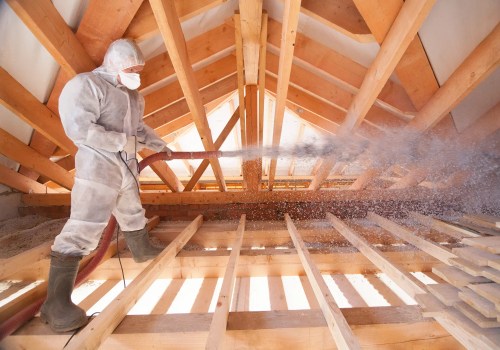
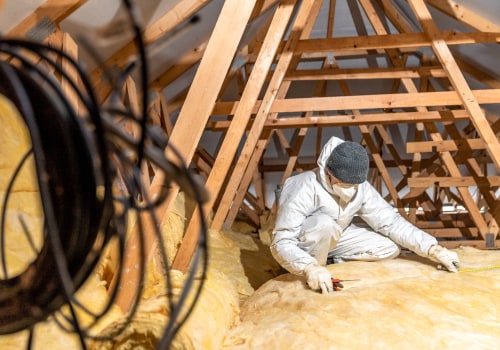
- Installation: Follow the manufacturer's guidelines for installation. For batts or rolls, lay them out between joists without compressing them. For blown-in insulation, use a blowing machine to evenly distribute the material.
- Sealing Gaps: After installing the insulation, seal any gaps or cracks in the attic floor with caulk or spray foam to prevent air leaks.
DIY vs Professional Installation
A common dilemma homeowners face is whether to install insulation themselves or hire professionals.Here are some considerations for each option:
- DIY Installation:
- Cost-Effective: Doing it yourself can save money on labor costs.
- Control: You have complete control over the installation process and can work at your own pace.
- Skill Level: If you are handy and have experience with home improvement projects, this could be a feasible option.
- Professional Installation:
- Expertise: Professionals have the experience and knowledge to ensure proper installation, which can lead to better energy efficiency.
- Time-Saving: Hiring experts can save you time and effort, allowing you to focus on other home improvement projects.
- Warranty: Many professional services offer warranties on their work, providing peace of mind.
Installation Tips
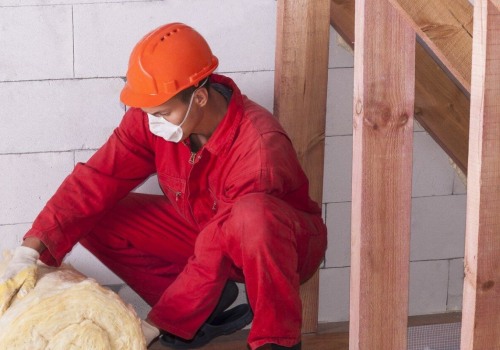
If you decide to go the DIY route or even if you hire professionals, consider these tips for effective insulation installation:- Wear Protective Gear: Always wear gloves, goggles, and a mask when handling insulation materials to protect yourself from irritation and inhalation of particles.
- Avoid Compression: Ensure that insulation is not compressed during installation as this reduces its effectiveness. Maintain its intended thickness for optimal performance.
- Create a Barrier: If using fiberglass batts, consider installing a vapor barrier on the warm side of the insulation to prevent moisture buildup.
- Check Local Codes: Familiarize yourself with local building codes regarding insulation requirements to ensure compliance and safety.
Environmental Impact: Sustainability of Insulation Materials
When considering attic insulation, the environmental impact of the materials used is a crucial factor for many homeowners. As awareness of climate change and sustainability grows, consumers are increasingly seeking eco-friendly options that not only enhance energy efficiency but also minimize harm to the planet.Traditional insulation materials, such as fiberglass and foam board, can have significant environmental drawbacks.For instance, fiberglass is made from sand and recycled glass, but its production process is energy-intensive and can release harmful chemicals. Similarly, foam board insulation often contains HFCs (hydrofluorocarbons) , potent greenhouse gases that contribute to global warming.
Sustainable Insulation Materials
Fortunately, there are several sustainable alternatives available:- Cellulose Insulation: Made from recycled paper products, cellulose is treated with non-toxic fire retardants. It has a low carbon footprint and provides excellent thermal performance.
- Sheep's Wool: This natural material is renewable and biodegradable. Sheep's wool has excellent insulating properties and can absorb moisture without losing its effectiveness.
- Hemp Insulation: Hemp is a fast-growing crop that requires minimal pesticides.
Hemp insulation is not only effective but also carbon-negative, meaning it absorbs more CO2 than is emitted during its production.
- Cotton (Denim) Insulation: Recycled cotton from denim fabric is another eco-friendly option. It is safe to handle and provides good thermal resistance while being free from harmful chemicals.
- Proper Installation: Ensuring that insulation is installed correctly can prevent air leaks and maximize energy efficiency.
- Recycling Old Insulation: If replacing existing insulation, consider recycling it rather than sending it to a landfill.
- Energy Audits: Conducting an energy audit before installation can help identify areas where insulation will be most effective, reducing waste and improving efficiency.
Frequently Asked Questions about Attic Insulation Choices
When it comes to attic insulation, homeowners often have numerous questions regarding the best options available, particularly concerning R-values and overall effectiveness.Below are some frequently asked questions that can help clarify these important topics.
What is an R-value, and why is it important?
The R-value measures the thermal resistance of insulation materials. A higher R-value indicates better insulating properties, meaning the material can resist heat flow more effectively. This is crucial for maintaining a comfortable indoor temperature and reducing energy costs. For attics, an R-value between R30 and R60 is generally recommended, depending on your climate zone.How do I choose the right insulation for my attic?
Choosing the right insulation involves considering several factors:- Climate: Colder climates may require higher R-values, while milder areas might be fine with lower values.
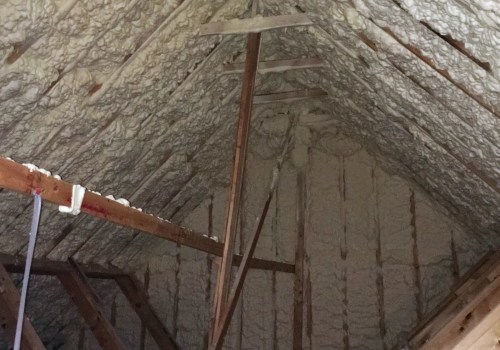
- Type of insulation: Options include fiberglass batts, spray foam, cellulose, and rigid foam boards.
Each has its pros and cons regarding installation, cost, and effectiveness.
- Existing insulation: If you already have some insulation in place, you may only need to add more to reach the desired R-value.
Is it worth investing in higher R-value insulation?
Investing in higher R-value insulation can lead to significant long-term savings on energy bills. While the initial cost may be higher, the improved energy efficiency can offset these costs over time. Additionally, better insulation can enhance comfort levels in your home by reducing drafts and maintaining consistent temperatures.Can I install attic insulation myself?
While some homeowners choose to install attic insulation themselves, it’s essential to consider your skill level and the type of insulation being used. Fiberglass batts are relatively straightforward to install, but spray foam requires specialized equipment and safety precautions.If you're unsure or if your attic has complex features, hiring a professional may be the best option.
What are common mistakes to avoid when insulating an attic?
- Not sealing air leaks: Before adding insulation, ensure that all air leaks are sealed to maximize effectiveness.
- Overstuffing insulation: Avoid compressing insulation material as this can reduce its effectiveness.
- Ignoring ventilation: Proper ventilation is crucial to prevent moisture buildup and maintain air quality.
Conclusion: Making the Right Choice Between R60 and R30 Insulation
In conclusion, the decision between R60 and R30 attic insulation is not a straightforward one; it requires careful consideration of various factors that align with your specific needs and circumstances. Both insulation types offer distinct advantages and disadvantages, making them suitable for different situations.Understanding Your Needs
- Climate: The climate in which you live plays a crucial role in determining the appropriate insulation level. For colder regions, R60 may provide the necessary thermal resistance to keep your home warm, while R30 might suffice in milder climates.
- Energy Efficiency Goals: If your primary goal is to maximize energy efficiency and reduce heating and cooling costs, investing in R60 insulation could yield significant long-term savings on energy bills.
- Budget Considerations: While R60 insulation typically comes at a higher upfront cost, it may offer better value over time through energy savings. Conversely, if your budget is tight, R30 may be a more feasible option without compromising too much on comfort.
Installation and Maintenance
- Ease of Installation: R30 insulation is generally easier to install due to its lower thickness, making it a more manageable option for DIY enthusiasts or those looking to save on installation costs.
- Long-Term Maintenance: Both types of insulation require periodic checks for moisture and pests.
However, R60's superior thermal performance may lead to less strain on HVAC systems, potentially reducing maintenance needs over time.
Your Home's Unique Characteristics
- Attic Space: The size and shape of your attic can influence your choice. If you have limited space, R30 might be more practical, while larger attics could benefit from the enhanced performance of R60.
- Existing Insulation: If you are retrofitting or adding insulation to an existing setup, consider the current insulation levels. Combining R30 with existing materials may be sufficient, whereas starting fresh with R60 could provide a complete upgrade.